Proposal Software from the Proposal People
We Understand Proposal Writers
For over 25 years the team at Expedience has delivered the industry standard in proposal software. Founded by proposal writers and managers, Expedience brings firsthand experience to delivering Proposal Software that works the way proposal teams really work.
Respected Team, Award Winning Software
The Expedience team includes recognized leaders in the Proposal Community. As frequent speakers at industry conferences, such as the APMP (Association of Proposal Management Professionals) annual and regional conferences, and contributors to professional journals, such as Winning the Business, the Expedience team brings a wealth of knowledge and insight to every customer implementation.
Founded by the same group that founded Pragmatech Software – inventors of the original RFP Machine – the current Expedience Proposal Solution has also been the recipient of numerous software awards, including awards specifically for excellence in Proposal Automation Software and Word Automation tools.
Never Leave Microsoft Office
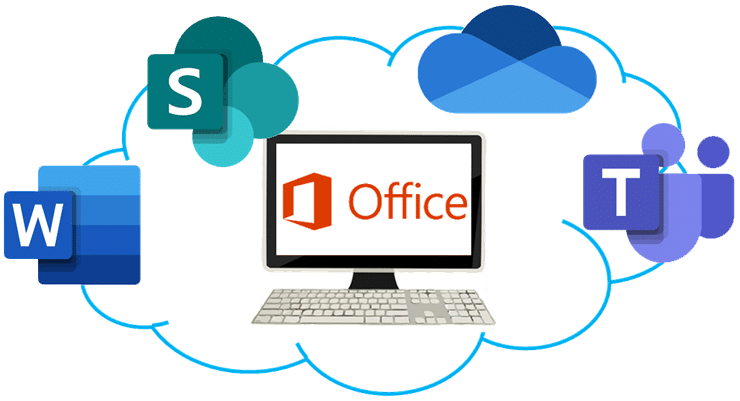
The hallmark of the Expedience Proposal Suite is its interconnectedness with Microsoft Word, along with Microsoft Excel, Outlook, and PowerPoint. This is because we understand that Microsoft Word and the Microsoft Office Suite is the primary workspace for proposal writers.
Advantages of Microsoft Office to Proposal Writers
The Expedience Microsoft Office-centric approach ensures you can make the most of your Microsoft investment and the latest advances in Microsoft technology while also providing writers with a streamlined and seamless experience based on the familiar Microsoft Word Ribbon.
Expedience’s expertise with Microsoft Office enables us to develop proposal tools across the Microsoft Office platform including Word, Excel, PowerPoint, and Outlook, and to leverage the robust collaboration capabilities that are built directly into Office 365, SharePoint, OneDrive, and Microsoft Teams.
Future Proof Your Proposal Solution
Because Expedience is built in Microsoft Office, you are assured that your proposal solution will always keep pace with the latest Microsoft advances in document creation and collaboration. You will never be restricted by 3rd party, proprietary cloud platforms that lag behind the latest Microsoft technology.
We Know That Formatting Counts
Most proposal software does nothing to address the issue of styles and formatting of the final proposal document. Once the document is pushed from these limited proposal tools out to Microsoft Word, the proposal writer is still left with the tedious and annoying task of formatting content, importing images, and making the final document presentable to the prospect.
At Expedience, formatting is far from an after-thought. We understand the importance of a well-formatted proposal to the overall appraisal by a prospect, and the extreme level of effort required to create a polished, professional, winning proposal. In fact, we have devoted an entire software module, the Style Palette, to support and automate the application of proposal styles and formatting.
Content Libraries Built the Way Proposal Teams Work
The Expedience Content Libraries organize content according to how it may be consumed by a proposal or sales team throughout the proposal process. The structure of libraries is flexible and dictated by the needs of the proposal writer, making both browsing and searching easy and intuitive. Thumbnail previews of the content, customizable tags, and descriptions, help guide proposal writers in choosing the best content for their needs.
Proposal Management without the Headache
Because the Expedience Proposal Suite is built in Microsoft Office, online collaboration with team members is both simple and easy, with many options for working together right within the Microsoft environment, using the common elements of Office 365, SharePoint, OneDrive, and Microsoft Teams. You can collaborate easily with subject experts, reviewers, and managers without the need for additional Expedience licenses or fees.
As with all the products in the Expedience Proposal Suite, proposal management is also facilitated directly from within the actual proposal itself, again never leaving Microsoft Word to do so. This unique but intuitive approach can help manage both small and large efforts, from the bid/no-bid stage to win themes to the creation of a final, customer-facing compliance matrix.